Download Time Zone Converter
and World Clock
Easily convert time in any time zone offline with our beautiful macOS, iPhone, iPad, Android and Windows apps
The Global Impact and Cultural Nuance of the Japanese Entertainment Industry Japanese entertainment is a unique cultural force that seamlessly blends ancient traditions with cutting-edge modernity. From the visually striking worlds of anime to the interactive depth of video games , Japan’s creative output has evolved into a significant driver of global soft power and a cornerstone of its national identity. The Pillars of Japanese Popular Culture The industry is built upon several key sectors that often overlap through a strategy known as the "media mix" . This approach allows a single intellectual property—such as a manga—to be adapted into an anime, a video game, and a wide array of merchandising, maximizing its economic and cultural reach. Cultural Convergence in the Entertainment Industry - Aithor
Beyond the Screen: The Evolution and Global Resonance of Japanese Entertainment In the annals of global pop culture, few forces have been as distinctively influential as the Japanese entertainment industry. From the neon-lit streets of Akihabara to the streaming queues of households halfway across the world, Japanese media has evolved from a localized curiosity into a foundational pillar of global modern culture. But to view Japanese entertainment solely through the lens of exports—Anime, Manga, and Video Games—is to miss the deeper narrative. The industry is not merely a content factory; it is a mirror reflecting Japan’s societal shifts, a preserver of its history, and a mechanism for navigating the complexities of the modern world. The "Gross National Cool": The Soft Power Revolution In the early 2000s, scholar Douglas McGray coined the term "Gross National Cool" to describe Japan’s rising cultural influence. He argued that while Japan lacked military might, its cultural reach was becoming a superpower status. This "Cool Japan" strategy hinges on three pillars: Anime, Manga, and Gaming. Unlike Western animation, which was historically relegated to the domain of children, Anime broke the age barrier. Works by studios like Studio Ghibli (Hayao Miyazaki) and Madhouse tackled environmentalism, war, and existential dread. Simultaneously, Manga provided a medium for every demographic—from Shonen (boys) action adventures to Seinen (adult men) psychological dramas and Shojo (girls) romances. This demographic inclusivity allowed Japanese entertainment to grow up with its audience. A fan in Brazil or France might start with Dragon Ball but
The Japanese entertainment industry is a global powerhouse, blending centuries of rigid tradition with a relentless drive for technological innovation. From the neon-soaked streets of Akihabara to the quiet dignity of a Noh theater, Japan’s cultural exports—often referred to as "Cool Japan"—have transformed the country from a post-war industrial hub into a premier cultural influencer. The Foundation: Harmony Between Old and New What makes Japanese entertainment unique is its "Galapagos-style" evolution. Because Japan has a massive domestic market, its culture often develops in isolation, creating distinct aesthetics that the rest of the world eventually finds fascinating. This evolution is rooted in omotenashi (wholehearted hospitality) and monozukuri (the art of making things). Whether it’s a high-budget video game or a traditional tea ceremony, there is a meticulous attention to detail that defines the Japanese approach to creativity. Anime and Manga: The Global Vanguard The most visible pillars of the industry are anime and manga. Unlike Western comics, which were historically viewed as "for kids," manga in Japan covers every conceivable genre—from high-stakes corporate drama to gourmet cooking. The Ecosystem: Manga often serves as the "storyboard" for anime. Successful series like One Piece or Demon Slayer create a feedback loop of merchandise, movies, and theme park attractions. Cultural Impact: Anime has become a primary vehicle for Japanese soft power. It introduces global audiences to Japanese food (ramen, onigiri), social norms (bowing, school life), and spiritual concepts (Shintoism and Yokai). The Idol Industry and J-Pop The Japanese music scene is the second largest in the world, dominated by a unique "Idol" culture. Groups like AKB48 or Johnny & Associates’ boy bands are built on the concept of "idols you can meet." Unlike Western stars who are expected to be polished from day one, Japanese idols are often marketed on their growth. Fans don't just buy a CD; they invest in the performer’s journey. This has created a hyper-loyal fan base and a sophisticated system of "Gacha" mechanics and handshake events that sustain the industry financially. Gaming: From Arcades to E-sports Japan is the spiritual home of modern gaming. Companies like Nintendo, Sony, and Sega didn't just build hardware; they created cultural icons like Mario and Pikachu. While the world has shifted toward mobile and PC gaming, Japan maintains a robust "Game Center" (arcade) culture. These spaces act as social hubs, keeping the community aspect of gaming alive in a way that has largely vanished in the West. Furthermore, the "JRPG" (Japanese Role-Playing Game) remains a cornerstone of storytelling, emphasizing complex narratives and character development. Traditional Roots in Modern Media You cannot understand modern Japanese entertainment without acknowledging its past. The influence of Kabuki (stylized drama) and Bunraku (puppetry) is evident in the dramatic pacing and character designs of modern animation. Even the concept of "Kawaii" (cuteness) has deep roots. What started as a subculture in the 1970s with Hello Kitty has become a national aesthetic, used by everyone from local police forces to major banks to appear more approachable and harmonious—a key tenet of Japanese society. Challenges and the Future The industry currently faces a crossroads. A shrinking, aging population means the domestic market is tightening, forcing companies to look outward. This has led to a surge in collaborations with platforms like Netflix and the global "simulcasting" of anime. Additionally, the industry is grappling with labor issues, particularly the "crunch" culture in animation studios. However, the rise of digital idols (VTubers) and AI-driven entertainment suggests that Japan will continue to lead the world in defining what "the future of fun" looks like. Conclusion The Japanese entertainment industry is more than just a business; it is a reflection of a culture that values craftsmanship, collective identity, and a profound respect for storytelling. As digital borders continue to vanish, Japan's ability to turn niche traditions into global trends ensures its culture will remain a vital part of the world’s creative DNA.
Beyond the Screen: How Japan’s Entertainment Industry Became a Global Cultural Superpower When was the last time you found yourself humming a J-Pop hook, binging a tense anime thriller, or obsessing over a retro video game soundtrack? For millions worldwide, Japanese entertainment is no longer a niche interest—it is the mainstream. But to truly appreciate the anime, music, and cinema coming out of Japan, you have to look beyond the dazzling visuals. You have to look at the culture that produces it. From the philosophical silence of a Kurosawa film to the high-energy perfectionism of a Johnny’s idol, Japanese entertainment is a mirror reflecting a society that values craftsmanship, community, and contradiction. Let’s dive into the engine room of Cool Japan . The Trinity of Japanese Pop Culture While Hollywood relies on the blockbuster film, Japan’s entertainment dominance rests on three interdependent pillars: Manga, Anime, and Idols. 1. Manga: The Literary Backbone In the West, comics are often a genre. In Japan, manga is a medium for everyone—from salarymen reading economic thrillers to grandmothers enjoying slice-of-life stories. Unlike Western comics, which are often colorized and produced by teams of specialists, manga is intensely personal. A single mangaka (artist) often draws everything in black and white, creating a direct line from the author’s brain to the reader’s hands. This DIY ethic breeds diversity. You can find manga about competitive go-karting, French baking, or transgender identity. Because manga is cheap and ubiquitous (often serialized in phone-book sized weekly magazines), it serves as the "R&D department" for the rest of the industry. If a manga is popular, an anime adaptation is almost guaranteed. 2. Anime: The Art of Limitation Anime is famous for its beautiful backgrounds and giant robots, but its secret weapon is limited animation . Unlike Disney’s fluid motion, anime often holds a single frame for several seconds, focusing instead on "keyframes" of emotional impact. Why? Budget and time—but also aesthetics. This limitation gave birth to the "Bank" (reused transformation sequences in Sailor Moon or Dragon Ball ) and the iconic "tilted angle shot" (the Kansai angle) to create psychological tension. Studios like Studio Ghibli and Kyoto Animation have pushed this into high art, proving that silence and stillness can be more powerful than explosions. 3. The Idol Industry: Manufactured Connection Walk through Tokyo’s Akihabara district, and you’ll see a phenomenon that baffles Western logic: fans screaming for performers who are "cute" rather than virtuosic. Groups like AKB48 or Nogizaka46 aren’t just bands; they are "girls you can meet." The idol industry sells a fantasy of accessibility and growth. Idols are often amateurs when they debut. Fans buy tickets to handshake events, vote in "general elections" to determine who sings lead, and watch their favorite member "graduate" (leave the group). It is a hyper-capitalist, yet deeply communal, system. It works because it fulfills a need for parasocial intimacy in a crowded, anonymous metropolis. The Cultural Engines Behind the Art Why do these specific forms thrive here? Three cultural concepts are key. Wabi-sabi (The beauty of imperfection) : You see this in live-action J-dramas and reality TV. Unlike the glossy, filter-heavy productions of the West, Japanese television often leaves in awkward pauses, stutters, and "real" reactions. The cult hit Old Enough! (where toddlers run errands alone) is a perfect example—the charm is in the struggle, not the polish. Giri (Duty) and Ninjo (Human emotion) : This is the central conflict of almost every Japanese story. Should the samurai follow the code ( giri ) or save his lover ( ninjo )? This tension drives everything from Yakuza video games to tragic romance anime. It resonates because it’s a real-life negotiation in Japanese work and family life. The "Honne" and "Tatemae" dynamic : Society runs on tatemae (the public facade) and honne (the true feeling). Entertainment provides a safe release valve for honne . Horror manga like Junji Ito or the transgressive cinema of Takashi Miike are so extreme precisely because daily life is so polite and rigid. The Shadow Side: The Cost of Cool No discussion of the industry is complete without addressing the human toll. The "perfection" of a J-Pop dance routine or an anime release schedule comes at a price. caribbeancompr 030615142 ohashi miku jav uncen hot
The "Black Industry" of Anime: Animators in Japan are famously underpaid. Despite anime being a multi-billion dollar industry, many key animators earn below minimum wage, surviving on passion and instant ramen. Idol Contract Slavery: Dating bans, strict weight regulations, and grueling schedules are standard. The tragic death of idol Sayaka Kanda (2021) and the harassment faced by Hana Kimura on reality TV ( Terrace House ) highlighted the toxic pressure cooker beneath the smiling surface. Censorship vs. Freedom: Because Japan has no official religious prohibition on nudity (unlike the West), you get wild extremes: hyper-violent hentai sold next to family-friendly Doraemon in convenience stores. Yet, broadcast television remains strictly censored for genitals, creating a bizarre dissonance.
The Future: Global Synergy The old model—"Japan creates, West consumes"—is dead. Netflix, Disney+, and Amazon are now commissioning anime directly (e.g., Cyberpunk: Edgerunners ). J-Pop stars like Ado and YOASOBI sell out arenas in LA without singing a word of English. We are entering the era of co-production . The lines are blurring. The West is learning Japanese pacing (slow, atmospheric world-building) while Japan is learning Western distribution (dropping an entire season at once). Why It Matters Japanese entertainment offers a unique proposition: It takes you seriously. It does not talk down to its audience. It will give you a 20-minute lecture on the history of violin making in the middle of a romance anime ( Your Lie in April ). It will ask you to sit through a three-hour slow-burn about a failing ramen shop ( Tampopo ). In a world of algorithm-driven, short-attention-span content, Japan’s industry remains proudly, stubbornly specific. And that specificity is precisely why the world can’t stop watching. So the next time you hit "Next Episode" on that shonen anime or find yourself tearing up at a Japanese game show where celebrities try not to laugh, remember: you aren't just being entertained. You are peeking into a culture that has mastered the art of turning limitation into transcendence. What is your gateway into Japanese culture? Was it a movie, a game, or a song? Let me know in the comments below.
Title: Beyond the Screen: How the Japanese Entertainment Industry Became a Global Cultural Powerhouse When most people think of Japanese entertainment, their minds snap to two distinct images: a high-speed Shinkansen bullet train quietly slicing through the countryside, or a giant lizard ( Gojira ) stomping through a miniature city. But the reality of Japan’s entertainment landscape is far richer, stranger, and more influential than just anime and Godzilla. From the rise of J-Pop idols to the quiet philosophy of Wabi-sabi in cinema, the Japanese entertainment industry is a fascinating case study in how tradition and technology can not only coexist but thrive together. Here is a deep dive into the engine of Japanese pop culture. 1. The "Idol" Industrial Complex Unlike Western pop stars, who are often sold on raw talent or authenticity, Japanese "idols" ( aidoru ) are sold on growth . Groups like AKB48 or Nogizaka46 aren’t just bands; they are a genre. The business model is unique: fans buy multiple copies of CDs to get voting tickets for "election" events that determine the next single’s center member. Key takeaway: The relationship is parasocial. The industry doesn't sell music; it sells a "dream" of proximity to stardom. It’s a high-pressure, meticulously manufactured system that generates billions of yen annually. 2. Anime: The Soft Power Superweapon Japan has figured out what Hollywood hasn't: you don't need live-action to tell a serious story. Anime has moved from a niche otaku hobby to a mainstream global force (thanks, Netflix). The Global Impact and Cultural Nuance of the
The Studio Ghibli Effect: Hayao Miyazaki taught the West that animation can be contemplative, anti-war, and environmentally conscious without being preachy. The Shonen Jump Formula: Series like One Piece , Jujutsu Kaisen , and Demon Slayer dominate global charts because they understand the universal language of "overcoming adversity through friendship."
3. The Silent Power of Japanese Cinema While Marvel movies blow up the box office, Japan’s live-action industry often excels at the "small" stories. Look at the work of Kore-eda Hirokazu ( Shoplifters )—quiet, devastating family dramas that win Palme d’Ors. However, the industry faces a unique struggle: V-Cinema (direct-to-video) and television dramas ( Doru ) still prioritize high viewership over high art. Yet, the "J-Horror" wave of the late 90s ( Ringu , Ju-On ) remains a masterclass in using cultural fears (technology and isolation) to create dread. 4. The Game Changers (Literally) Nintendo and Sony didn't just shape gaming; they shaped global childhoods. But the cultural insight here is mobile gaming . In Japan, the train commute is sacred. Companies like Cygames and GungHo turned the "gacha" (toy vending machine) into a digital gambling mechanic that is now the standard revenue model for mobile games worldwide. 5. The Unspoken Rules: Harmony ( Wa ) over Conflict The biggest difference between Japanese and Western entertainment? Conflict resolution. In a typical Hollywood film, the hero punches the villain. In a Japanese drama or variety show, the goal is often to restore Wa (harmony).
Variety TV: Japanese variety shows are loud, chaotic, and slapstick. But watch closely—no one ever truly "loses" face permanently. The host always brings the joke back to safety. Talent Agencies: The recent scandals involving Johnny & Associates (now Smile-Up) highlighted a dark side of the industry: a culture of silence and loyalty that protected abusers for decades. It is a stark reminder that the "harmony" we see on screen often hides a rigid, hierarchical reality. But to view Japanese entertainment solely through the
The Verdict The Japanese entertainment industry is a paradox. It is simultaneously the most futuristic (VR idols, AI-generated manga) and the most traditional (tea ceremony scenes in prime-time TV). It is an industry that can sell $500 melons on a game show and then air a documentary about the atomic bomb in the next time slot. Why this matters: As global streaming blurs borders, Japan isn't just exporting content; it is exporting a worldview . One where silence is powerful, monsters are sympathetic, and a teenager with spiky hair can save the universe.
Let’s discuss: What is your "gateway" into Japanese culture? Was it a Studio Ghibli film, a PS5 game, or a bizarre clip from a variety show? Drop your thoughts below. 👇
Easily convert time in any time zone offline with our beautiful macOS, iPhone, iPad, Android and Windows apps
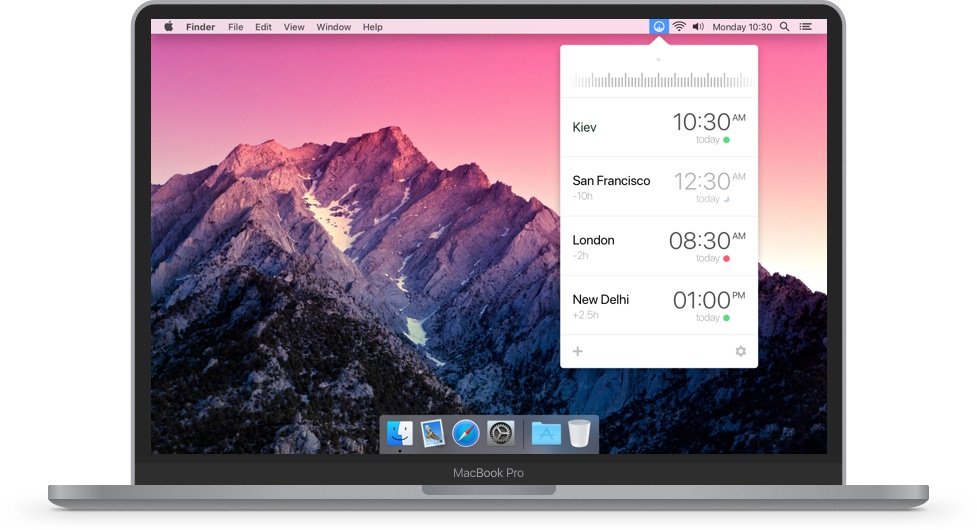
Time Zone Converter for macOS is the menu bar application. Now the most convenient time converter and world clock is only one click away from you!
Download macOS AppTime Zone Converter is available as iPhone app. Now you can take the most handy time converter and world clock with you where ever you go!
iPhone App is Coming SoonTime Zone Converter for Windows 10 is the desktop application. Use the most convenient time converter and world clock in windowed or tablet mode.
Download Windows AppTime Zone Converter is available for Android smartphone and Android tablet. Now best time converter is available for most popular mobile OS!
Android App is Coming Soon Time Zone Converter
© 2026 — Cellar & Anchor