: Discovery often carries severe consequences, ranging from social ostracization and job loss to legal repercussions or even death in historical or fantasy settings. Intense Tension
In the vast landscape of storytelling, few forces are as omnipresent and as commercially bankable as romance. From the epic love of Odysseus and Penelope to the tragic passion of Romeo and Juliet, western narrative tradition has often been built on the engine of "boy meets girl" (or any variation thereof). We are conditioned to expect the kiss at the end of the action movie, the wedding in the finale of the comedy, and the slow-burn tension in the fantasy trilogy. : Discovery often carries severe consequences, ranging from
Romance provides emotional warmth, vulnerability, and stakes. If you remove it, you must replace it with something equally compelling: friendship, mentorship, obsession with a goal, or a deep philosophical idea. Moby Dick has no romance; it has Ahab’s obsession with the whale. That obsession is the relationship. We are conditioned to expect the kiss at
In modern, Westernized settings, creating a "believable" forbidden barrier is increasingly difficult, leading many authors to use (e.g., humans and vampires) where rules are more rigid and consequences more severe. Breaking down forbidden love: tropes, genres, and examples Moby Dick has no romance; it has Ahab’s
The anime series Monster by Naoki Urasawa is a masterclass in this. The protagonist, Dr. Kenzo Tenma, is on a relentless hunt for a serial killer. He encounters women who love him, but the narrative violently intercepts every potential romance. Why? Because Tenma’s guilt over his past mistakes has transformed him into a monk-like avenger. The prohibition is his penance. By the end, he has saved hundreds of lives, but he stands utterly alone. The emptiness is the theme.
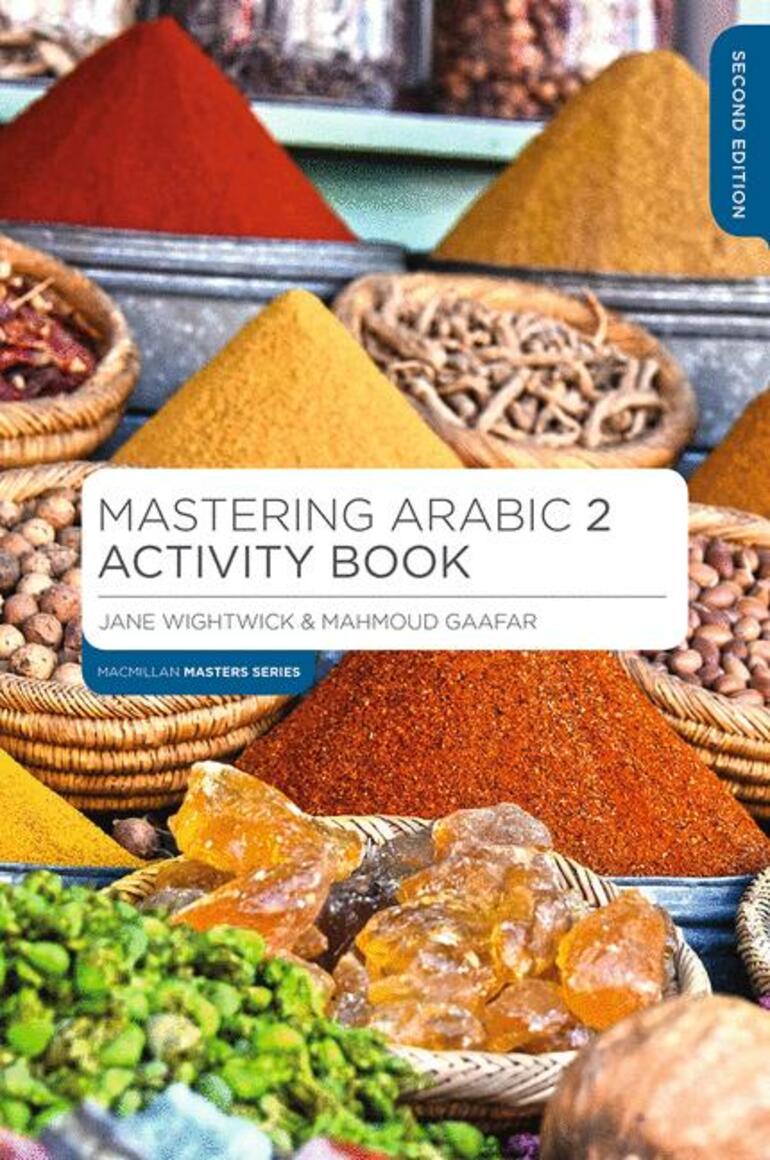
Mastering Arabic 2 Activity Book provides a range of activities and exercises to allow post-beginner learners of Arabic to continue improving. A great companion to Mastering Arabic 2, it can also be used with any other intermediate course, or by anyone with some prior knowledge of Arabic.
Downloads
 U7, p39 and U14, p79: Crossword printouts (.pdf)
 Extension activities (.pdf)
 'Talk about it yourself' model answers (.pdf)
Please also click here to find resources for Mastering Arabic 2 which are also relevant for readers of Mastering Arabic 2 Activity Book.