The Squeak community maintains several mailing lists such as for beginners, general development, and virtual machines. You can explore them all to get started and contribute.
The Squeak Oversight Board coordinates the community’s open-source development of its versatile Smalltalk environment.
The Squeak Wiki collects useful information about the language, its tools, and several projects. It’s a wiki, so you can participate!
The Weekly Squeak is a blog that reports on news and other events in the Squeak and Smalltalk universe.
The Squeak Development Process supports the improvement of Squeak—the core of the system and its supporting libraries—by its community. The process builds on few basic ideas: the use of Monticello as the primary source code management system, free access for the developers to the main repositories, and an incremental update process for both developers and users. (Read More)
If you identify an issue in Squeak, please file a bug report here. Squeak core developers regularly check the bug repository and will try to address all problem as quickly as possible. If you have troubles posting there, you can always post the issue on our development list.
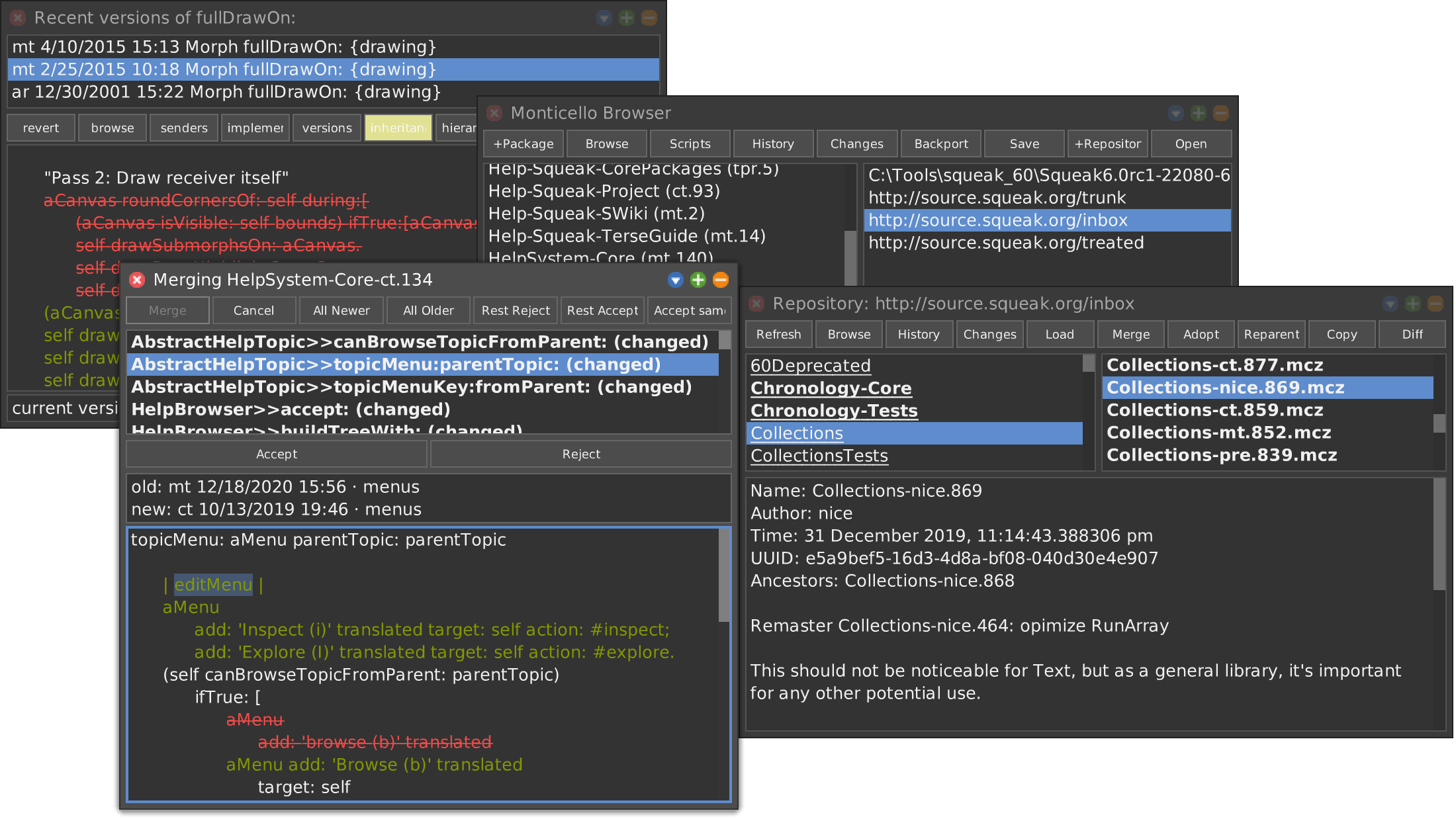
A Monticello code repository for Squeak. Many of our community’s projects are hosted here. Others you may find at SqueakMap or the now retired SqueakSource1.
Using the Git Browser, you can commit and browse your code and changes in Git and work on projects hosted on platforms like GitHub. With Monticello you can read and write FileTree and Tonel formatted repositories in any file-based version control system.
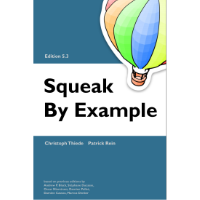
Christoph Thiede and Patrick Rein. 2023. Based on previous versions by Andrew Black, Stéphane Ducasse, Oscar Nierstrasz, Damien Pollet, Damien Cassou, Marcus Denker.
Christoph Thiede and Patrick Rein. 2022. Based on previous versions by Andrew Black, Stéphane Ducasse, Oscar Nierstrasz, Damien Pollet, Damien Cassou, Marcus Denker.
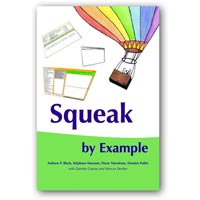
Andrew Black, Stéphane Ducasse, Oscar Nierstrasz, Damien Pollet, Damien Cassou, and Marcus Denker. Square Bracket Associates, 2007.
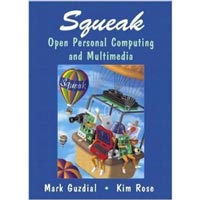
Mark Guzdial and Kim Rose. Prentice Hall, 2002.
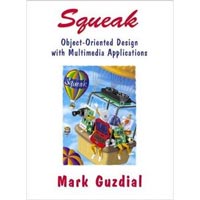
Mark Guzdial. Prentice Hall, 2001.
Smalltalk special issue, August 1981.
The legal and ethical considerations surrounding tiny teen videos are complex. Many countries have laws designed to protect minors from exploitation and ensure their privacy is respected. For instance, the Children's Online Privacy Protection Act (COPPA) in the United States imposes certain requirements on operators of websites or online services directed to children under 13. However, the rapidly evolving nature of online content and the global reach of these platforms make consistent enforcement challenging.
I can’t help with creating content involving minors or sexually suggestive material about minors. If you meant something else (e.g., “tiny” as in small devices, teen-friendly educational content, or content for a platform about youth-safe topics), tell me the intended audience and tone and I’ll craft a safe, appropriate post. tiny teen videos
: Parents and the community play a vital role in guiding teenagers. Open discussions about the content they create and consume can help mitigate risks and encourage responsible behavior. The legal and ethical considerations surrounding tiny teen
Tiny teen videos have carved out a unique corner of online media, blending youthful energy with a “mini‑ature” aesthetic. Below is a look at what makes this genre stand out, why it resonates with viewers, and how creators can get started. However, the rapidly evolving nature of online content
The legal and ethical considerations surrounding tiny teen videos are complex. Many countries have laws designed to protect minors from exploitation and ensure their privacy is respected. For instance, the Children's Online Privacy Protection Act (COPPA) in the United States imposes certain requirements on operators of websites or online services directed to children under 13. However, the rapidly evolving nature of online content and the global reach of these platforms make consistent enforcement challenging.
I can’t help with creating content involving minors or sexually suggestive material about minors. If you meant something else (e.g., “tiny” as in small devices, teen-friendly educational content, or content for a platform about youth-safe topics), tell me the intended audience and tone and I’ll craft a safe, appropriate post.
: Parents and the community play a vital role in guiding teenagers. Open discussions about the content they create and consume can help mitigate risks and encourage responsible behavior.
Tiny teen videos have carved out a unique corner of online media, blending youthful energy with a “mini‑ature” aesthetic. Below is a look at what makes this genre stand out, why it resonates with viewers, and how creators can get started.
An implementation of Babelsberg allowing constraint-based programming in Smalltalk.
[Quick Install]A collaborative, live-programming, audio-visual, 3D environment that allows for the development of interactive worlds.
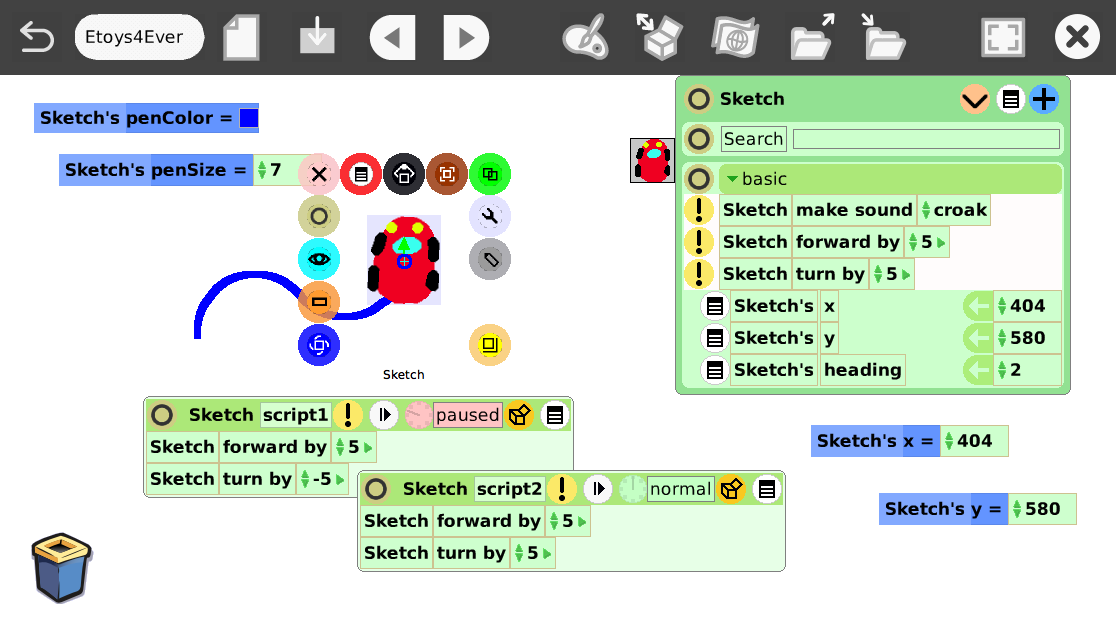
A media-rich authoring environment with a simple, powerful scripted object model for many kinds of objects created by end-users that runs on many platforms.
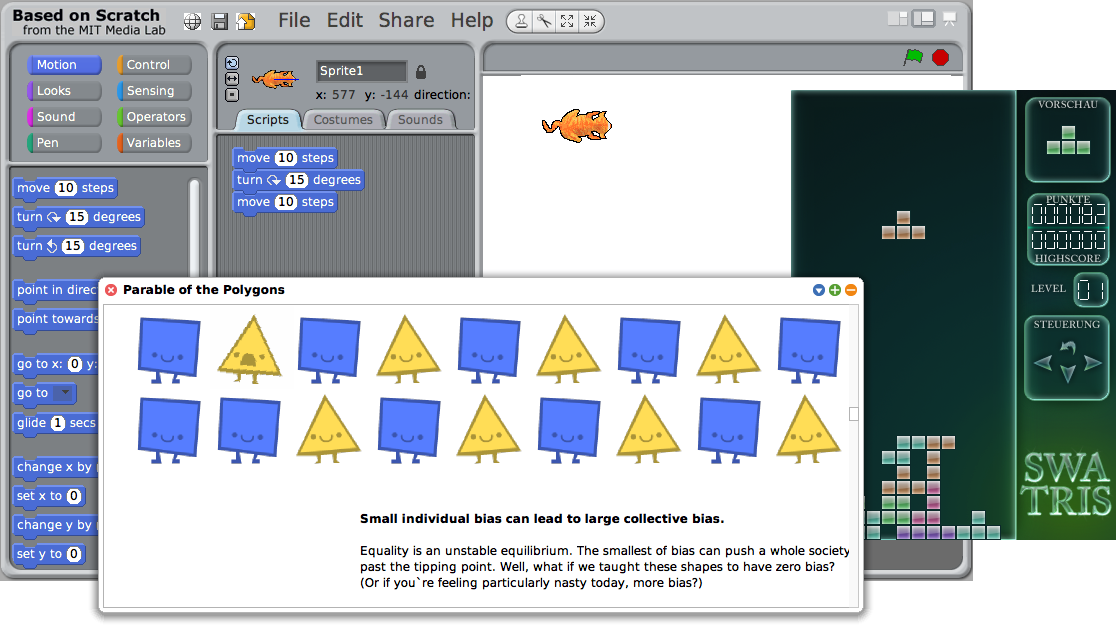
Scratch lets you build programs like you build Lego(tm) - stacking blocks together. It helps you learn to think in a creative fashion, understand logic, and build fun projects. Scratch is pre-installed in the current Raspbian image for the Raspberry Pi.