provides a deep dive into Al-Shahrastani’s methodology, identity, and the significance of his work. Internet Archive Why This Work Matters
In the vast ocean of Islamic literature, few works have stood the test of time as gracefully as (الملل والنحل) — translated as "The Book of Sects and Creeds." Authored by the brilliant Persian theologian and historian Abu al-Fath Muhammad al-Shahrastani (1086–1153 CE), this text remains one of the most systematic, objective, and detailed studies of world religions and philosophical schools ever produced in the pre-modern era. al-milal wa al-nihal english pdf
Reviewing the English translation of (The Book of Sects and Creeds) by Muhammad al-Shahrastani requires acknowledging its status as perhaps the first systematic work on comparative religion in history. | Section | Content | |---------|---------| | |
| Section | Content | |---------|---------| | | Classification of religious communities (ummam) into those with a scripture (Ahl al-Kitab) and others. | | Part 1: Islamic Sects | Divides Muslims into 73 sects (Hadith-based trope). Analyzes: Mu’tazila, Ash’ariyya, Karramiyya, Kharijites, Shi’a (Zaydi, Imami, Isma’ili), Murji’a, Jahmiyya, etc. | | Part 2: Non-Islamic Religions | Jews, Christians (various denominations), Zoroastrians, Manichaeans, Marcionites, Sabians, Hanifs, and philosophers. | | Part 3: Indian Religions | Hindus, Buddhists (often called “Sumaniyya”), Jain-like groups, and their doctrines of reincarnation, liberation, and divine manifestations. | | Part 4: Greek Philosophers | Summaries of Aristotle, Plato, Pythagoras, and others — influenced by Neoplatonism. | | Part 5: Arab Pagans | Pre-Islamic Arabian beliefs, idols, and practices. | | | Part 2: Non-Islamic Religions | Jews,
Focuses on those who follow a revealed scripture, including Muslims, Jews, Christians, and Zoroastrians.
If you found this guide useful, share it with your network of Islamic studies students. And remember, always cite the original translator when using an English PDF in your own work.
While the perfect, complete, fully annotated English translation remains a hope for future Orientalists, the existing PDFs (even if abridged) offer deep access to the intellectual world of the 12th-century Islamic Golden Age. Whether you are writing a thesis on Islamic heresiography, studying interfaith dialogue, or simply curious about what medieval Muslims thought of Buddhism or Plato, this text is indispensable.
New Version 26.1: Go Speed Racer Go
New Version 25.12: Higher & Higher
New Version 25.10: Please Mr. Please
New Version 25.07: Hot Hot Hot
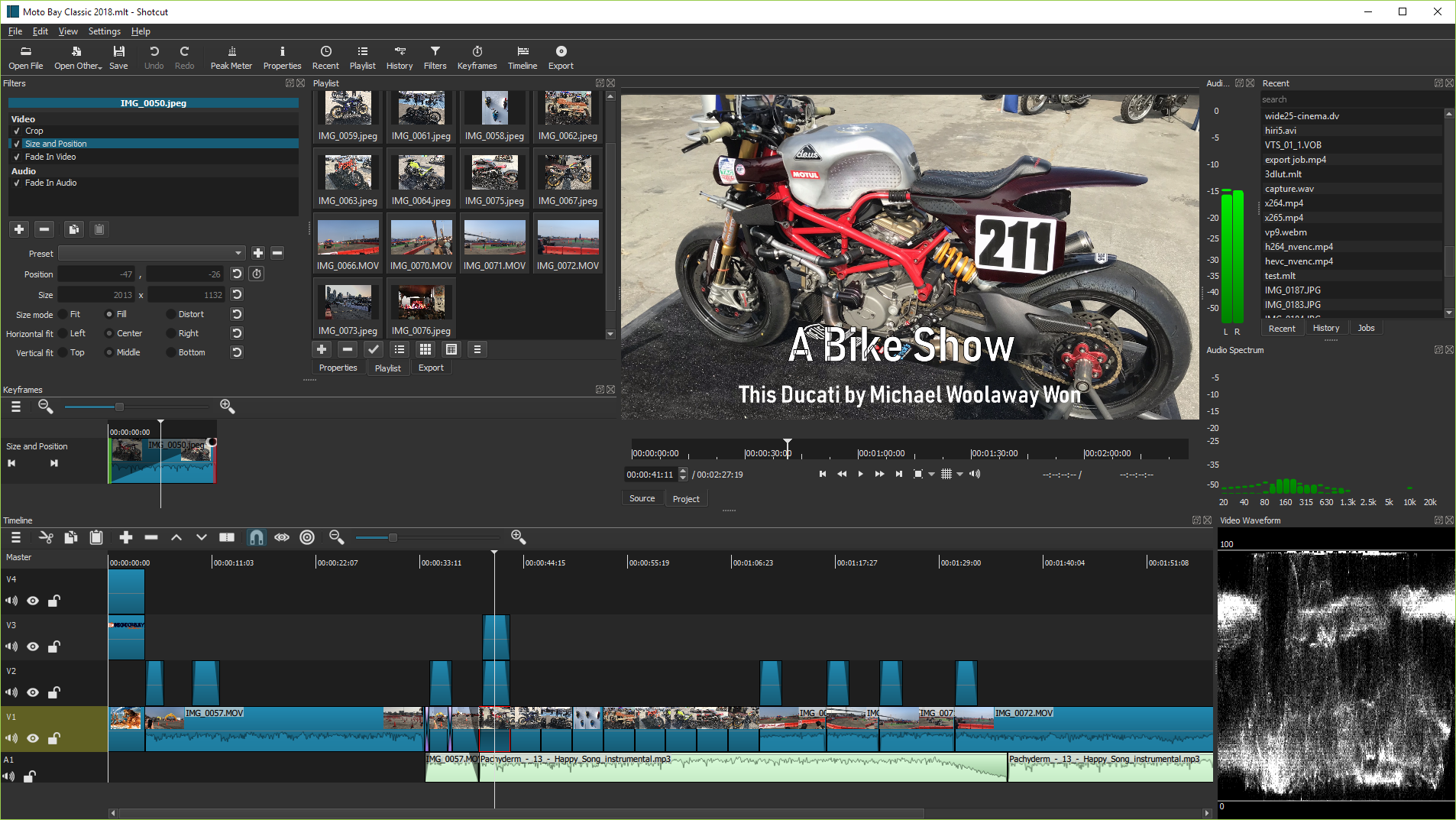
Shotcut was originally conceived in November, 2004 by Charlie Yates, an MLT co-founder and the original lead developer (see the original website). The current version of Shotcut is a complete rewrite by Dan Dennedy, another MLT co-founder and its current lead. Dan wanted to create a new editor based on MLT and he chose to reuse the Shotcut name since he liked it so much. He wanted to make something to exercise the new cross-platform capabilities of MLT especially in conjunction with the WebVfx and Movit plugins.
Lead Developer of Shotcut and MLT